
Repair
Loose boards, wobbly rails and stairs fixed on a frame that's still sound.
Older split-level with a tired deck? Find out whether it can be repaired or needs a fresh start.
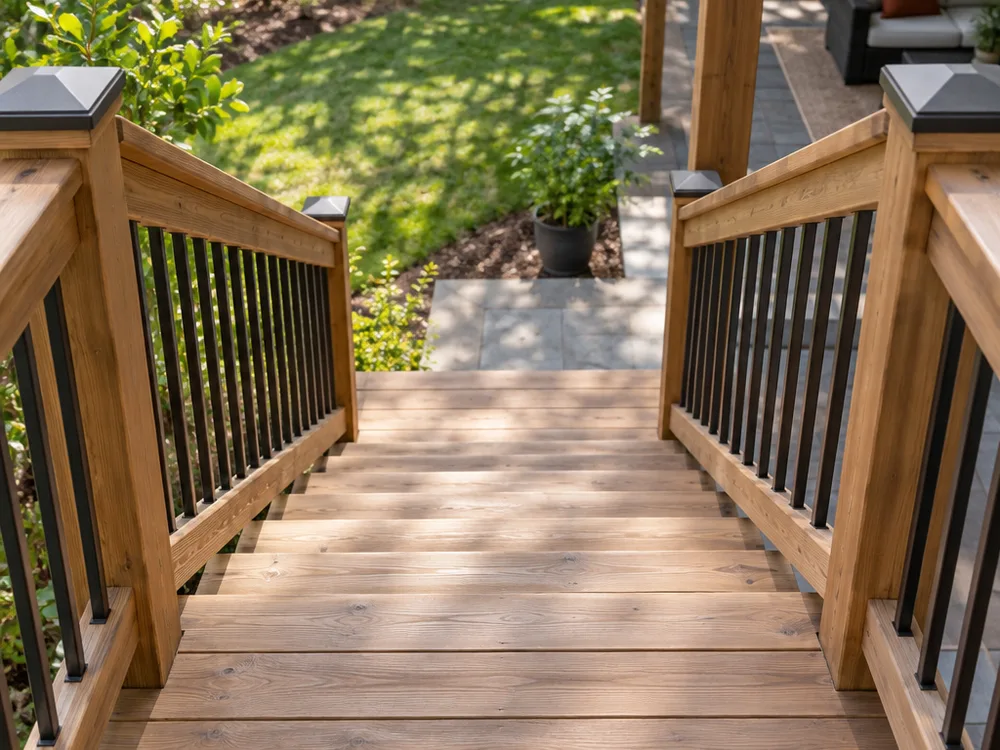
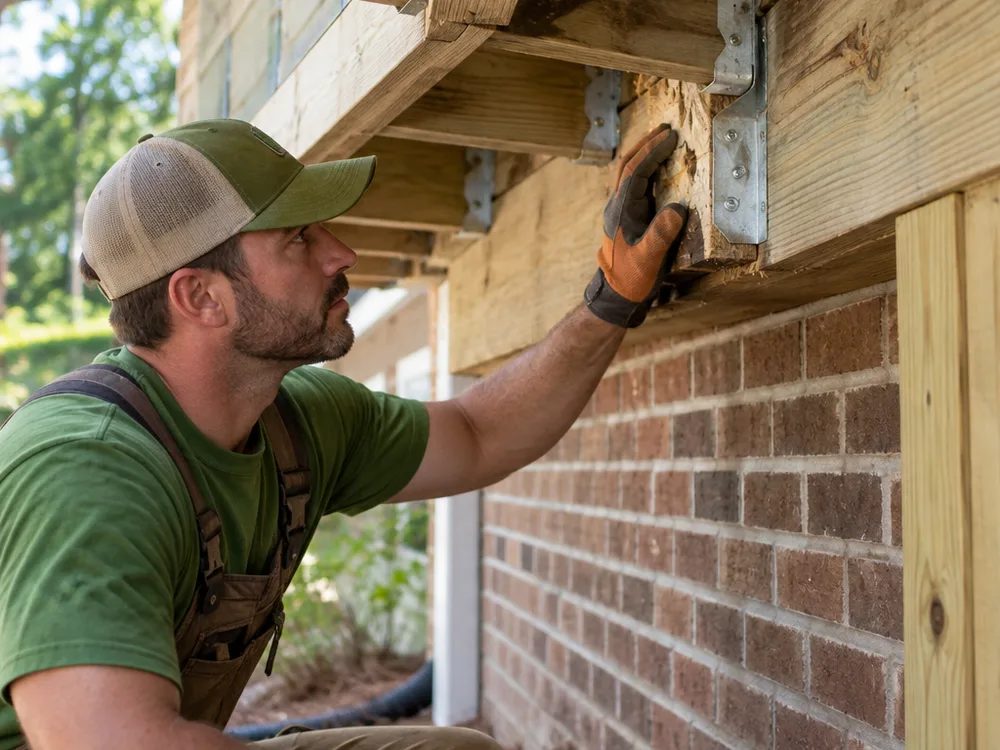
Neighborhoods like Dunwoody North started going up in 1963 with ranch, split-level and two-story homes. On houses that age, the builder looks closely at the ledger connection and posts before deciding whether a deck can be repaired or should be replaced.
Split-levels often have decks off a raised main floor, so height, stairs and guard rails all come into play. The city's Community Development department handles deck permits.
If the old deck is too small anyway, read about building a bigger deck.
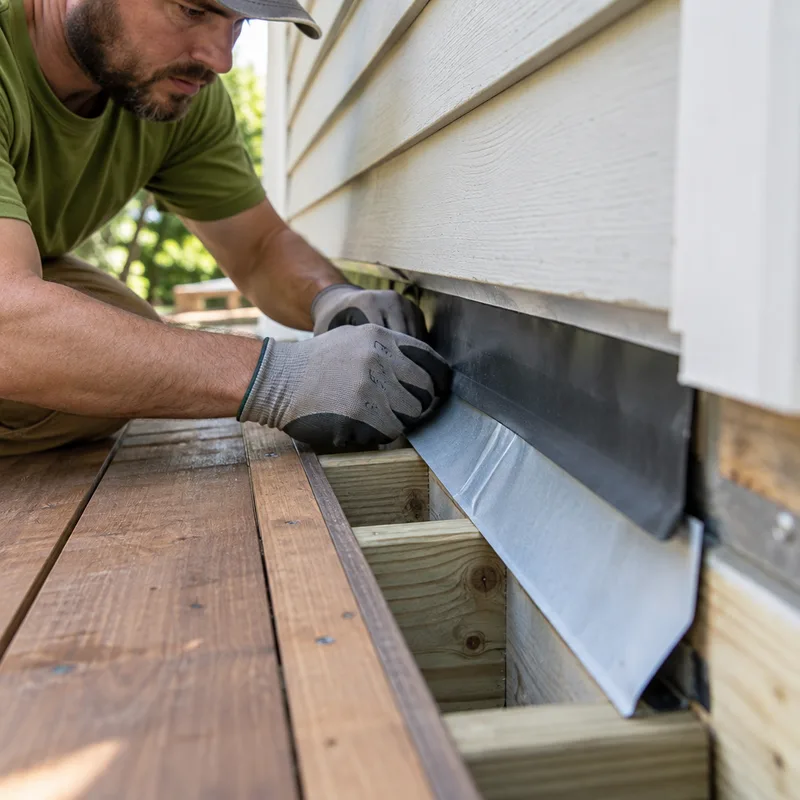
If a creek runs behind your house, that affects where a deck can go. Dunwoody has a 75-foot stream buffer, and removing trees inside it requires a tree removal permit and a certified arborist's report.
The city also has a minimum tree density rule. If trees come out for a bigger deck and the lot falls below the minimum, replanting may be required. The builder can work around existing trees where possible.
Most calls fall into one of four jobs, and the contractor will tell you which one your deck needs.
Loose boards, wobbly rails and stairs fixed on a frame that's still sound.
A new frame and surface when posts, joists or the ledger are rotted.
A bigger footprint or stairs to the yard for a deck that's too small.
A roof or screened porch for shade and fewer mosquitoes.
Yes. Call (470) 427-9259.
Attached decks and decks well above the ground generally do. The builder confirms with the city's Community Development department.
Trees inside the 75-foot stream buffer need a tree removal permit and a certified arborist's report.
It depends on the frame. If posts, joists or the ledger are rotted, replacement is usually the better choice.
Have a builder tell you whether to repair or rebuild.